
TMJ Treatment – Falmouth, ME
Relieving Your Jaw Pain
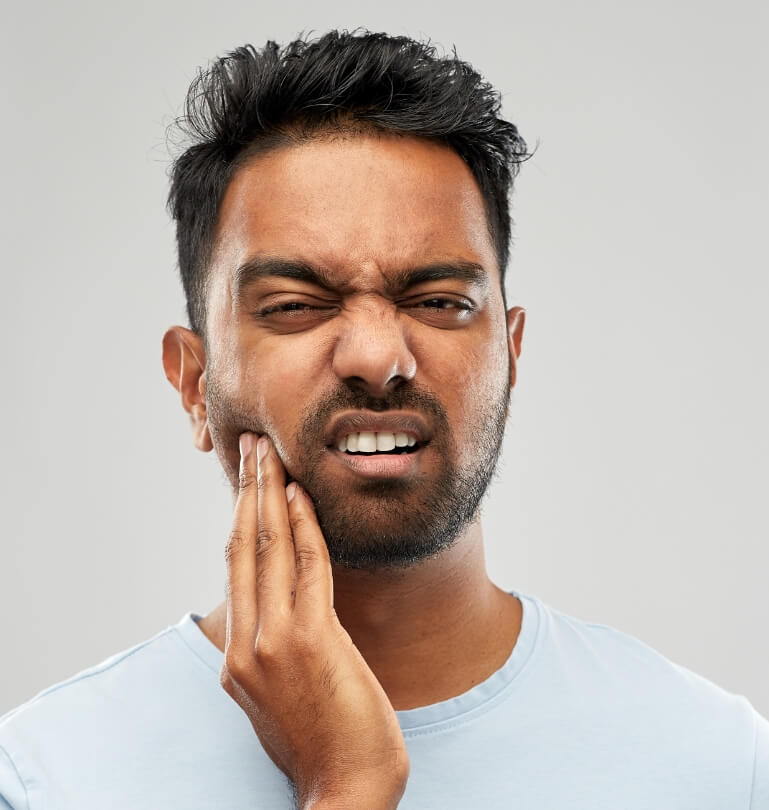
Under normal circumstances, you might not think twice about the temporomandibular joints (TMJs) that allow you to open and close your jaw. But if there is something wrong with one or both of the joints, you might find yourself constantly dealing with jaw pain. If you’re tired of struggling with your TMJ disorder on a daily basis, give us a call to see what forms of relief Dr. Chadbourne may have to offer with TMJ treatment in Falmouth.
Why Choose Falmouth Dentistry for TMJ Treatment?
- Customized Occlusal Splints Available
- Gentle and Comfortable Treatments
- Team That Takes Care of Patients
FREE Initial Take-Home Teeth Whitening
With Initial Exam, X-rays & Cleaning
$300 Value
Call us at (207) 878-8600 today to schedule.
Ready to schedule? Use the contact form to reach our team.
Symptoms of TMJ Disorder

Recognizing when you might have a TMJ disorder is essential for having it treated. Here are a few common symptoms to watch out for.
- There’s pain in the area around your jaw joints.
- There’s a clicking sound when you move your jaw.
- Your jaw sometimes gets locked, preventing you from opening or closing it.
- It hurts when you bite down.
- There are signs that you have bruxism (meaning you’re unconsciously grinding your teeth at night).
- You often experience headaches.
TMJ Treatment Options

A minor TMJ disorder might go away on its own, but treatment will likely be required in more serious cases. We typically recommend either occlusal adjustments or occlusal splints for dealing with TMJ-related issues.
An occlusal adjustment is the slight reshaping of select teeth to improve the alignment of your bite. A minimal amount of enamel will be taken off until the upper and lower arches fit together as intended. The goal of the adjustment process is to relieve the excess pressure on your jaw that’s causing your TMJ disorder.
An occlusal splint can change the resting position of your jaw, allowing your TMJs to rest and recover as needed. Additionally, the splint will help reduce the harmful effects of bruxism on your teeth. You may have to wear the oral appliance for around 4 to 6 months, but the exact amount of time is different for every patient.
TMJ Treatment FAQs
Can TMJ Be Cured Permanently?
While in some cases, discomfort associated with TMJ disorder can go away on its own over time, if your symptoms are interfering with your daily life, it’s best to seek help from a trained professional.
Some TMJ therapy methods can provide temporary relief, such as BOTOX, but these solutions are not permanent.
Treatment from your dentist such as occlusal splints or adjustments were designed to permanently address the jaw tension, misalignment, and other causes of your TMJ disorder pain, thereby providing lasting relief.
Is TMJ Treatment Safe?
Yes, as long as your treatment is performed by a qualified professional, it should be completely safe.
The National Institutes of Health (NIH) recommends using as minimally invasive and conservative methods of treatment as possible, which is why your dentist will suggest several treatment options before resorting to surgery, as surgery always comes with some risks.
Occlusal splints and occlusal adjustments have been proven safe for addressing TMJ disorders.
Can TMJ Be Treated Without Surgery?
Yes! In fact, the National Institutes of Health (NIH) recommends using the most conservative methods possible for treating TMJ disorder. Surgery involves making permanent changes to your jaw and nearby anatomy and is usually only suggested as a last resort. Most often, TMJ disorders can be treated with far less invasive methods.
In addition to at-home methods like stress relief, occlusal splints and occlusal adjustments can help alleviate pain from TMJ disorders.
Is TMJ Treatment Covered by Insurance?
This will depend on the cause and the severity of your condition, and the treatment being recommended by your dentist.
Because the temporomandibular joint is a joint which is not specifically related to dentistry, TMJ disorder treatment may actually qualify for medical or dental insurance coverage. However, some treatment options such as occlusal splints or occlusal adjustments can only be provided by a dentist.
Your insurance coverage for TMJ treatment (whether medical or dental) can be complex and will vary depending on your policy and location. Some policies may have specific clauses that exclude TMJ treatment, while others may limit the dollar amount that can be spent on treatment or only include certain treatments.
Generally, insurance companies don’t include TMJ disorder coverage unless it’s mandated by the state or at the request of your company’s benefits coordinator. For that reason, it’s best to verify with your specific insurance provider directly about what (if any) portion of your treatment will be covered.